







What to Expect in Counseling: A Guide to Neuro-Affirming Support
Starting counseling can feel like a big step, and knowing what to expect can help ease any anxiety. For Autistic individuals, finding a therapist who understands the unique experiences of being Neurodivergent is key.
At its heart, counseling is a space where you can explore your experiences, develop new tools, and work toward a more fulfilling life in a world that wasn't always built for you.
Here is a guide to help you understand what the counseling process looks like, from your first contact to long-term growth.
1. The Initial Contact and Intake Process
Your journey begins with a first step, which is often a phone call or email to determine if the practice is a good fit.
Sharing Your Needs: You'll be asked about why you are seeking counseling—common topics include anxiety, depression, difficulty with social relationships, or managing autistic burnout. If you are an adult seeking services, the practice will want to understand your specific goals.
Logistics: The intake process will also cover important logistics like insurance verification and clarifying any potential copays or deductibles. You will typically be sent initial paperwork through a secure client portal that needs to be completed before your first session.
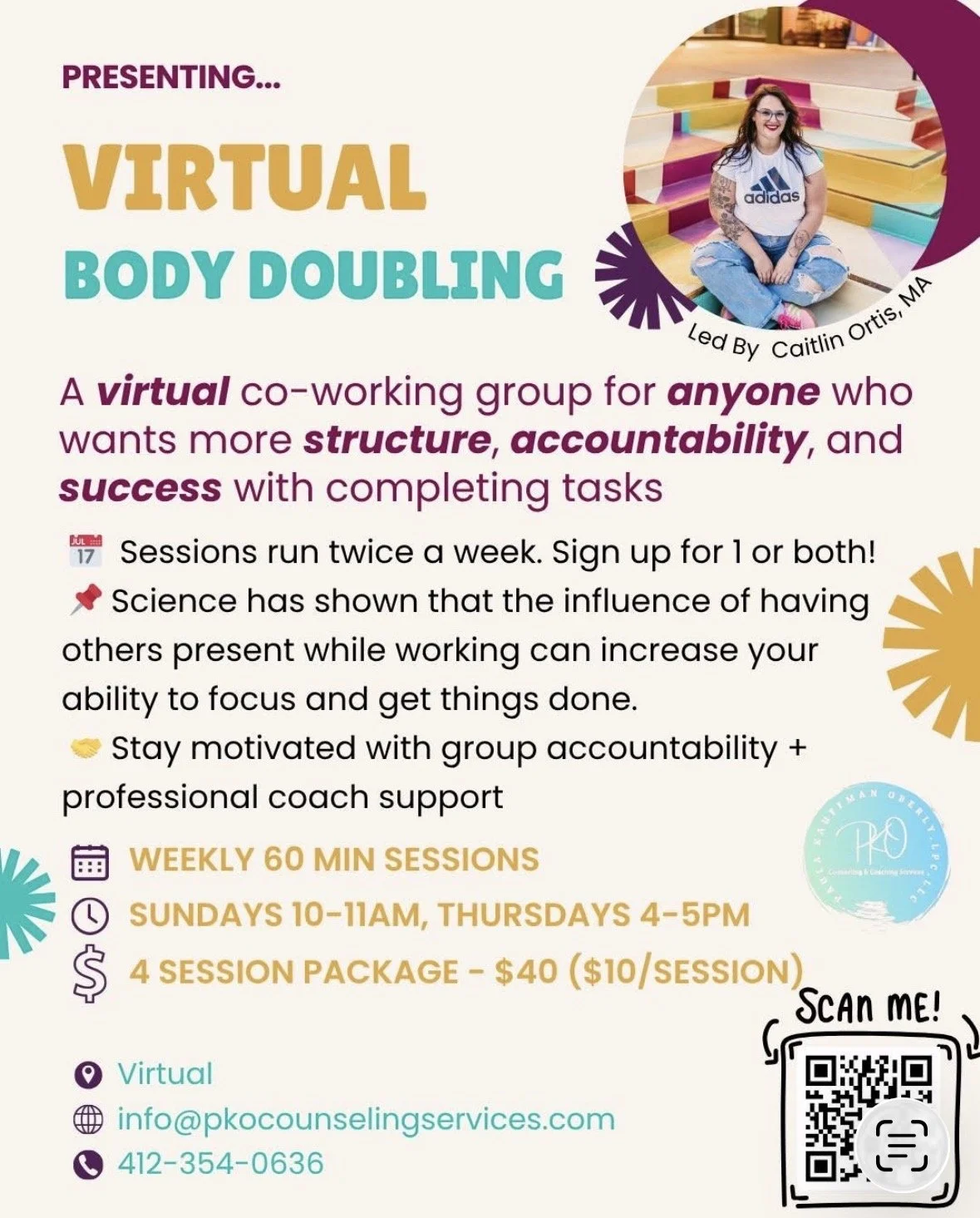
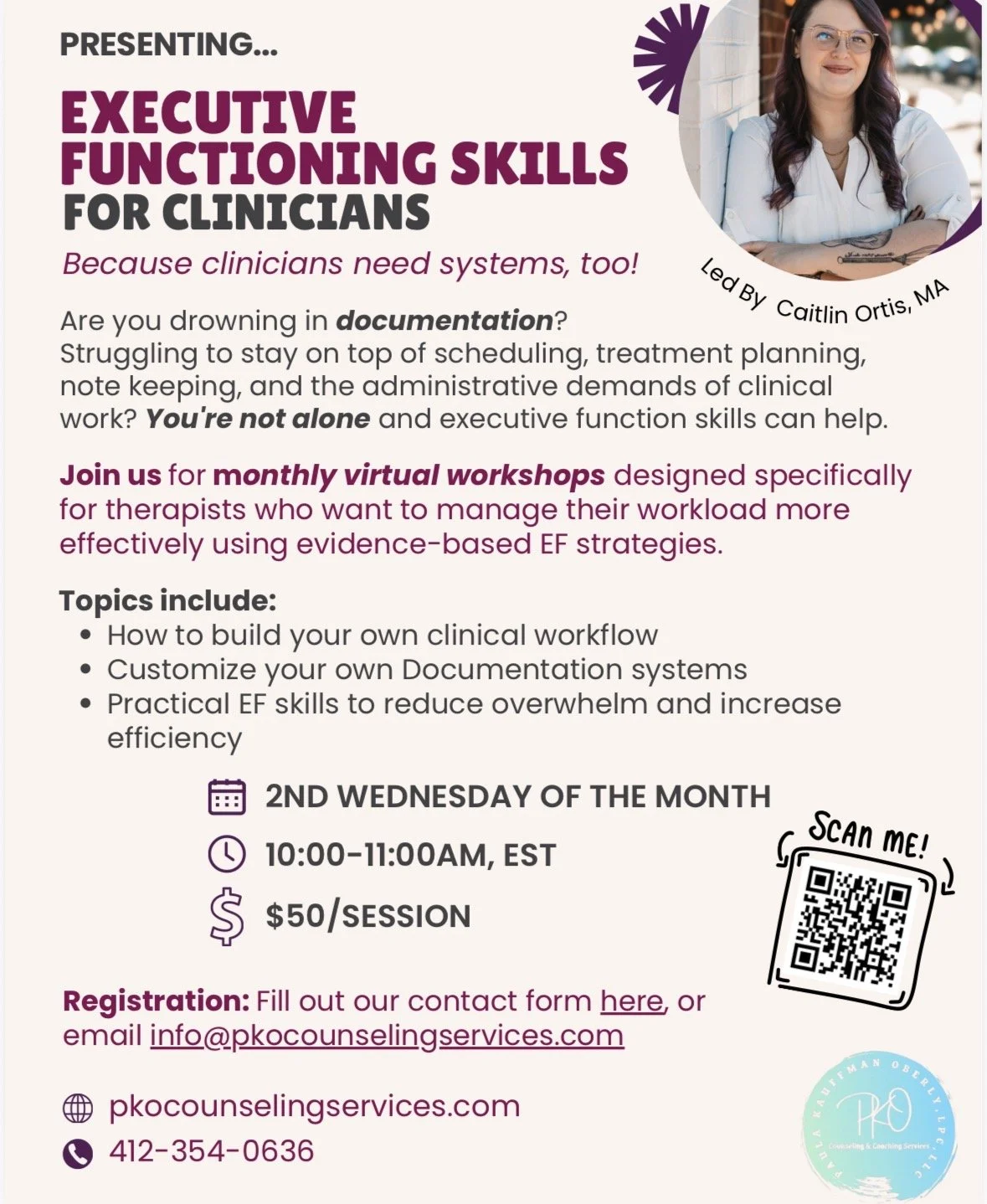
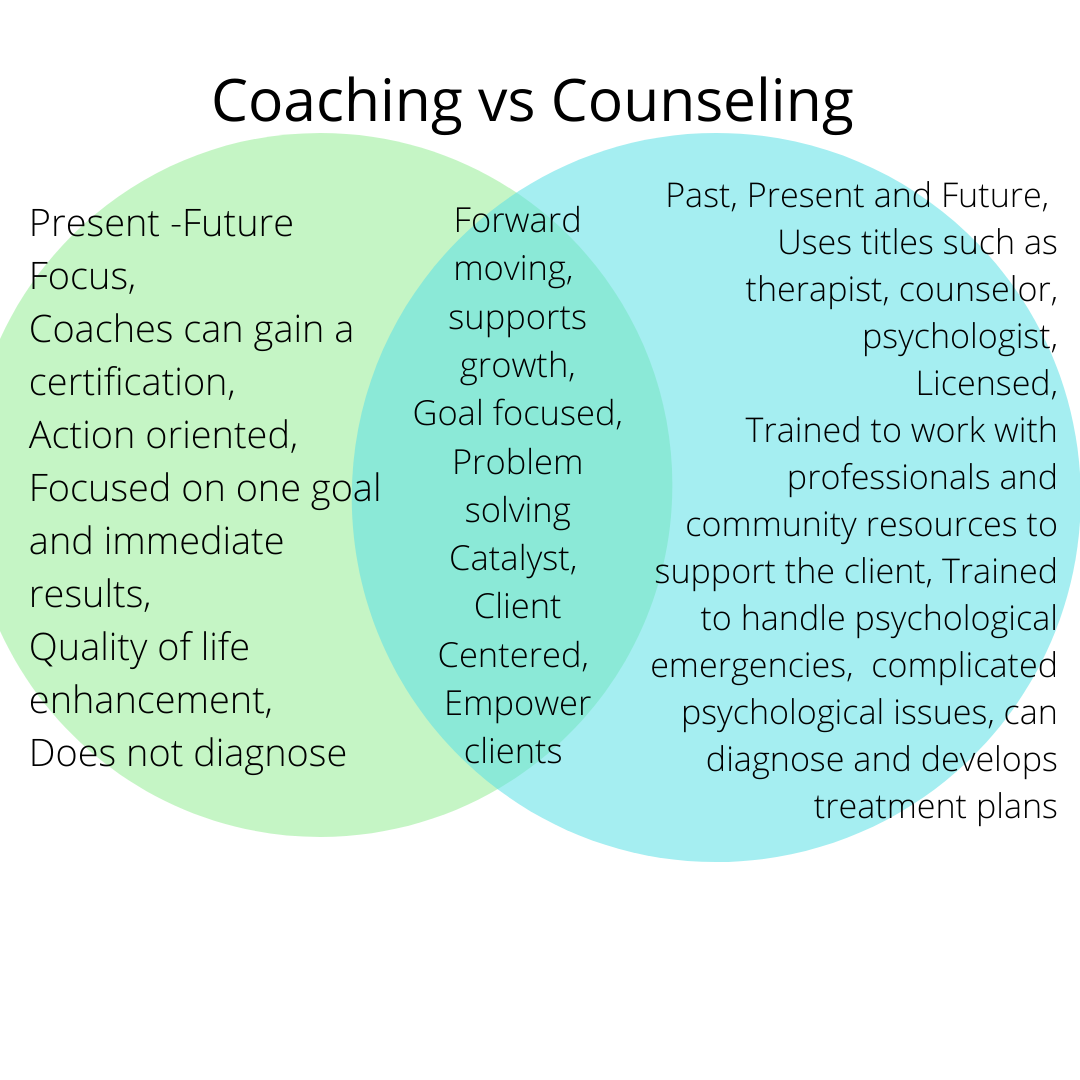
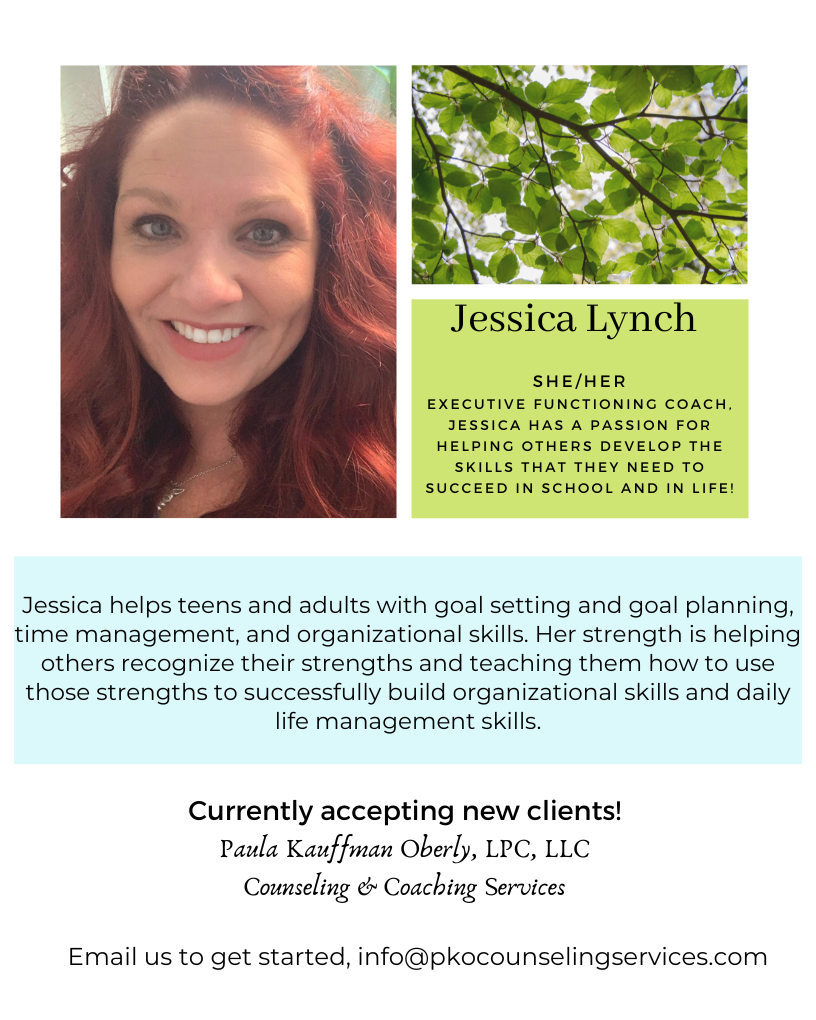
Counseling vs. Coaching: Some practices, like ours, also offer services like Executive Function Coaching for specific skills development (e.g., time management, organization), which is often a cash-pay service separate from insurance-covered counseling.
2. Your First Session: Establishing Connection and Goals
The first session is a chance for both you and your therapist to decide if the relationship is a good match.
Setting the Baseline: Your therapist will aim to understand your concerns and establish a baseline for your mental health and quality of life. They will ask questions about your personal history, previous therapeutic experiences, and most importantly, your goals for the future.
Neuro-Affirming Approach: A supportive therapist should adopt a neurodiversity-affirming approach that respects the diverse ways you experience the world. This means validating your experiences of masking, sensory sensitivities/differences, and any trauma resulting from a world that often fails to accommodate Autistic needs.
What to Ask Your Therapist: It is highly encouraged to ask questions to ensure your therapist is a good fit. You might ask:
What is your experience working with Autistic clients?
What are your clinical approaches? (e.g., Cognitive Behavioral Therapy, Dialectical Behavior Therapy, or approaches like Narrative Therapy, which focuses on deconstructing damaging narratives and affirming empowering stories).
How do you measure progress, and how will I know if it's working?
3. The Therapeutic Environment and Communication
The best counseling environment is one where you feel safe, understood, and unmasked.
Communication Style: Autistic people generally prefer communication that is literal, clear, and concise. A good therapist will avoid using slang, idioms, and sarcasm, and be prepared to clarify any miscommunications honestly and non-judgmentally.
Sensory and Comfort Accommodations: You should feel empowered to communicate your needs. Therapists should be open to adjusting the environment and respecting your preferences. This might include:
Adjusting light or sound.
Respecting your need to move or stim, such as rocking or flapping.
Not forcing eye contact.
Asking how you prefer to interact (e.g., not assuming you want handshakes).
Common Goals and Focus Areas: While every person's path is unique, common areas of focus in counseling include:
Developing skills to manage anxiety and depression.
Processing an adult diagnosis and exploring your neuroqueer identity.
Addressing the impact of Autistic burnout and learning sustainable self-care strategies.
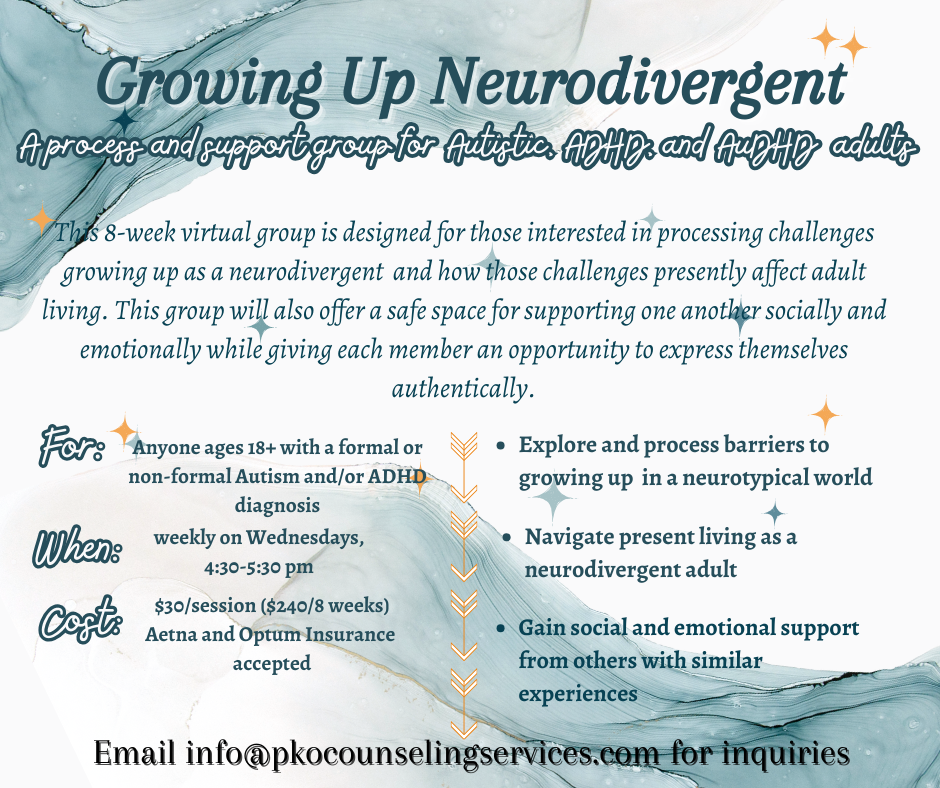
Working on specific social skills or communication goals, or finding support in family dynamics (e.g., a support group for AuDHD parents).
4. Measuring Success and Long-Term Support
Progress in counseling is measured by achieving your personal, meaningful goals. This could be a small victory like successfully using a new communication skill or a larger milestone like finding better coping mechanisms for sensory overload. The journey is collaborative and flexible, with your therapist checking in regularly to ensure the strategies are working for you.
Finding a counselor who is not just aware of autism but who is actively neurodiversity-affirming is the most crucial element in ensuring a positive and transformative experience.